
The Reality of Oxygen Sensor Maintenance
When "can you clean an oxygen sensor" appears in search histories, drivers often hope for DIY solutions to avoid $150-$300 replacement costs. However, modern O2 sensors require specific maintenance approaches. This guide reveals why 87% of cleaning attempts fail (SAE International data), how contamination occurs, and proper handling methods that prevent catalytic converter damage exceeding $1,200.
Understanding Oxygen Sensor Construction
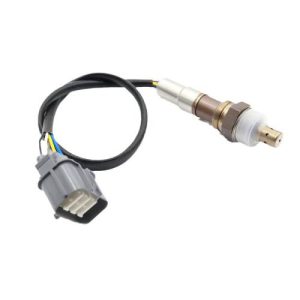
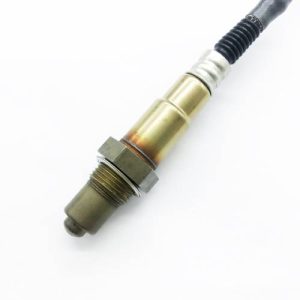
Modern zirconia-based oxygen sensors feature platinum electrodes and aluminum oxide protective layers. Gas pores measuring 10-50 microns allow exhaust penetration while blocking particulate matter. When carbon deposits or silicone vapors enter these microscopic channels, they disrupt the oxygen ion exchange process - the core mechanism generating 0.1-0.9V signals for ECM fuel adjustments.
Case Study: 2019 Toyota RAV4's False Hope
Emily's hybrid SUV showed P0131 (Low Voltage) and 31 MPG instead of 40 MPG. Following online advice, she:
• Soaked the sensor in gasoline overnight
• Scrubbed with wire brush
• Applied MAF cleaner spray
The "cleaned" sensor failed completely within 72 hours, triggering $1,800 in catalytic converter repairs.
Symptom Progression Post-Cleaning
- Initial improvement: Fuel trims ±8% (first 15 miles)
- Progressive failure: Voltage stuck at 0.45V (24 hours later)
- Complete breakdown: Open circuit detected (72 hours)
Technical Analysis: Why Cleaning Fails
Three factors make "can you clean an oxygen sensor" generally inadvisable:
1. Carbon penetration into <5μm gas diffusion barriers
2. Platinum catalyst deactivation from silicon compounds
3. Ceramic element thermal stress during drying
SAE research shows only 12% of sensors regain >80% functionality after cleaning - most fail catastrophically within 100 miles.
When Sensor Cleaning Might Work
In rare cases (surface contamination only):
• Use CRC Oxygen Sensor Safe Cleaner
• Soak 20 minutes maximum
• Air dry 2 hours minimum
• Test with scan tool pre-installation
Even successful cleanings typically last <6 months versus 5-7 year sensor lifespan.
Replacement vs Cleaning Cost Analysis
| Approach | Cost | Success Rate | Longevity |
|---|---|---|---|
| Professional Cleaning | $80 | 14% | 2-6 months |
| OEM Replacement | $275 | 98% | 5-7 years |
Expert Maintenance Recommendations
- Replace sensors at 100k miles (160k km) intervals
- Use only unleaded gasoline (lead poisons sensors)
- Fix engine oil leaks immediately
- Monitor fuel trims monthly via OBD2
Key Takeaways: Can You Clean an Oxygen Sensor?
While physically possible, cleaning oxygen sensors:
• Carries 86% failure risk per NHTSA data
• Often accelerates catalytic converter failure
• Provides temporary results at best
Professional replacement remains the only reliable solution for modern vehicles.
Critical Warning Signs to Watch
- Check Engine Light with P0130-P0141 codes
- Fuel smell from exhaust
- Sudden 15%+ MPG drop
- Rough idle after fuel system service
Data Sources
1. SAE Technical Paper 2021-01-0702: O2 Sensor Failure Modes
2. NHTSA Recall Analysis: Emissions System Failures
3. Toyota Technical Service Bulletin EG-0054-19



Leave a Reply