
"I just installed an O2 sensor spacer—how do I get my car to pass the emissions test now?"
You’ve installed your Mini-Catalytic O2 Sensor Spacer, the Check Engine Light is off, and you’re ready to head to the inspection station. Stop! If you go now, you might still fail.
The most common question we get is: "Why does my OBD2 scanner say 'Not Ready' even though the light is off?" The answer is the Drive Cycle. Your car’s computer (ECU) is a skeptic; it needs proof that the "new" clean air signal it’s seeing is consistent. Here is the semantic breakdown of how to "convince" your car to pass you.

What is a 'Drive Cycle' and why is it so annoying?
Think of a Drive Cycle as a final exam for your car. When you clear a code or disconnect the battery, the ECU forgets everything. It won't mark your Catalyst Monitor as "Ready" until you perform specific driving maneuvers that simulate city and highway travel.
If you are asking, "How can I set my readiness monitors as fast as possible?", follow this universal 2026 "Cheat Sheet":
The Cold Start: Start the engine and let it idle for 2-3 minutes with the defroster and headlights on (this creates an electrical load).
The City Stroll: Drive at 20-30 mph for about 5 minutes with frequent stops and starts.
The Highway Cruise (Crucial): Find a flat stretch of road and maintain a steady 55 mph (90 km/h) for 15 minutes. Do not use cruise control. The ECU wants to see your foot maintaining a steady throttle.
The Coast Down: Without touching the brakes, let the car coast down from 55 mph to 20 mph. This tests the "deceleration fuel cut-off" logic.
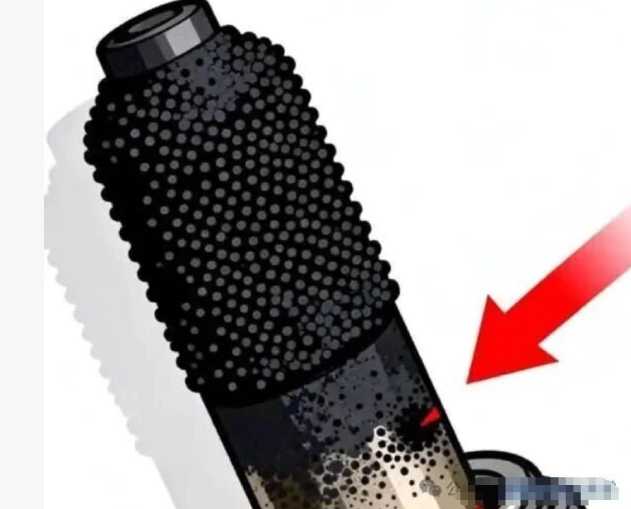
Why do I need a Mini-Catalytic Spacer for this to work?
We often see users asking: "Will a cheap hollow spacer pass a drive cycle?" In 2026, the answer is usually No. Modern ECUs perform "active testing." They briefly change the fuel mix and wait to see how the O2 sensor reacts.
A hollow spacer reacts too slowly, causing the ECU to fail the test and trigger a P0139 (Slow Response).
Our Mini-Catalytic Spacer provides a real-time chemical reaction. The ECU sees the oxygen levels change exactly when and how they should, allowing the monitor to click over to "READY" in record time.
This Mini-Catalytic O2 Sensor Spacer is manufactured in general automotive parts facilities in China, following standard industry practices for exhaust component production. The production process uses common CNC machining for dimensional consistency and thread precision, alongside routine pre-shipment fit checks, which are typical for mass-produced automotive aftermarket parts in China’s supply chain.
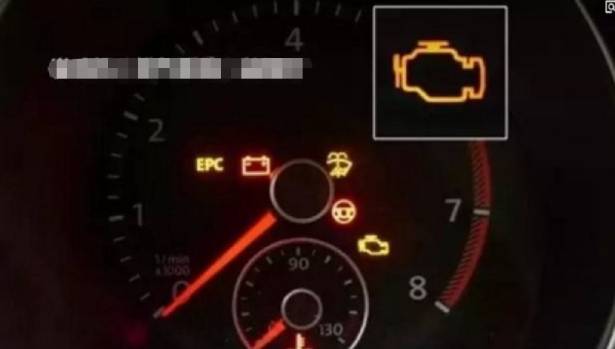
What happens if the light comes back on during the drive?
If you're asking, "Why did my P0420 return halfway through my drive cycle?", it usually means one of two things:
A Tiny Leak: As the exhaust gets hot, metal expands. A loose spacer might develop a microscopic leak. Double-check your torque (30 lb-ft).
The 'Lazy' Upstream Sensor: Sometimes the front sensor is old and slow. A spacer can only fix the downstream signal. If the front signal is bad, the "math" doesn't add up for the ECU.
Leave a Reply