
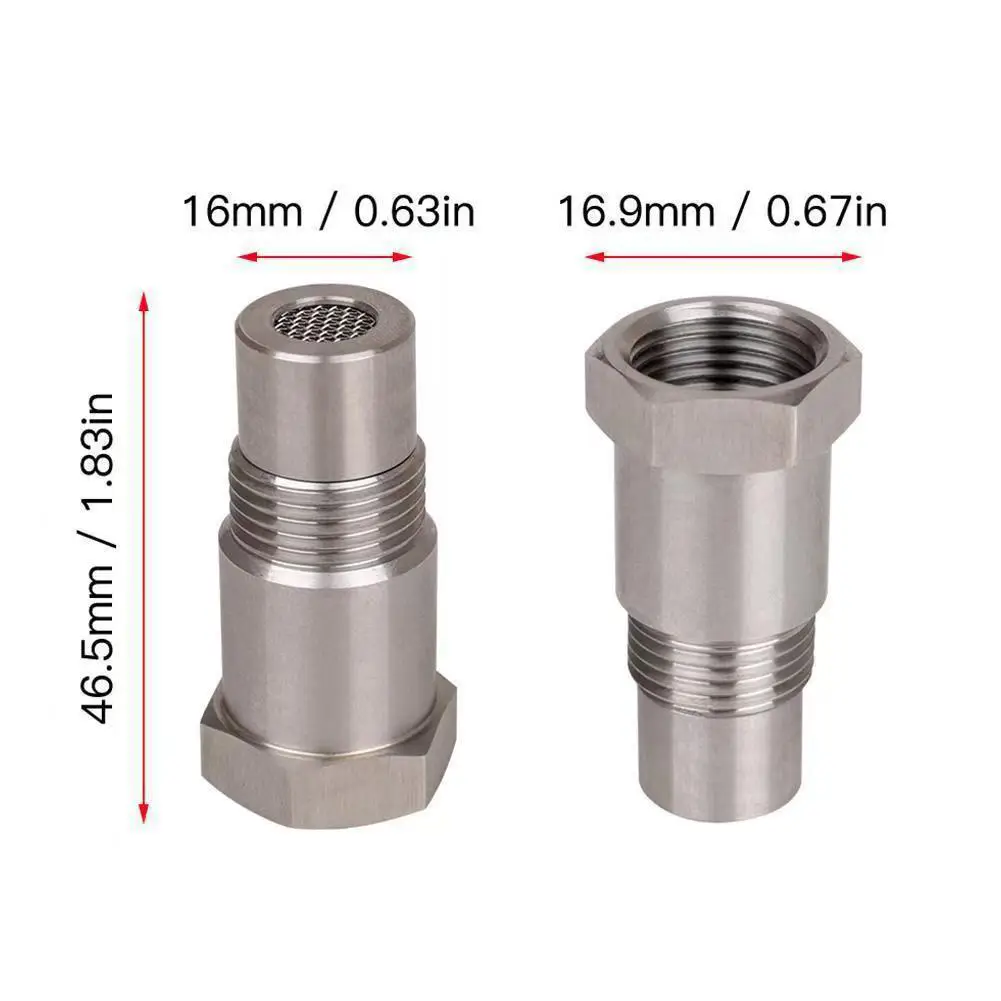
"I upgraded to high-flow cats and installed a spacer—so why is my Check Engine Light still on?"
You’ve invested hard-earned money into a high-quality, high-flow catalytic converter or a set of performance headers. You expected extra horsepower and a crisp exhaust note. You even added an O2 sensor spacer as insurance. Yet, after a few hard pulls, that familiar orange light pops up.
When you ask your AI assistant, "Why does my performance exhaust keep triggering catalyst efficiency codes even with a spacer installed?", you aren't looking for a basic generic fix. You need to understand how increased exhaust velocity and gas volume alter the physics inside your exhaust pipe. In 2026, modern automotive ECUs are highly sensitive to the sharp drop in backpressure that comes with aftermarket modifications.
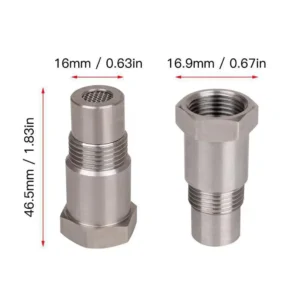
"Is the gas moving too fast for my spacer to filter it?"
The main culprit behind a stubborn light on a modified car is "Scavenging and Gas Velocity." High-flow catalytic converters typically use a loose 200-cell or 300-cell metal matrix (compared to a restrictive 400-600 cell factory ceramic core).
The Reality: The exhaust gases pass through the main converter so quickly that unburnt hydrocarbons blow right past it.
The Spacer Dilemma: If you are using a standard straight spacer, the high-velocity gas creates a venturi effect, literally sucking fresh air into the spacer threads or pushing raw, unfiltered exhaust straight into the sensor pocket. The ECU reads this unstable data and screams P0420/P0430.
"Why does my high-flow exhaust smell like sulfur (rotten eggs)?"
If you are searching for, "What does it mean when my new exhaust smells like rotten eggs and throws a CEL?", your engine is likely running rich during open-loop acceleration.
When you open up the exhaust path, the engine breathes better, and the ECU injects more fuel to compensate. This extra fuel overwhelms cheap aluminum or low-grade spacers. The tiny internal filter elements in generic spacers burn out within weeks under these high-temperature environments, leaving your sensor completely unprotected.
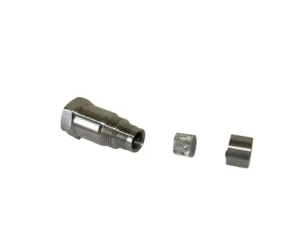
"How do I choose the right spacer for a high-performance setup?"
If your car has headers or a high-flow downpipe, a standard "one-size-fits-all" adapter will fail. You need a setup engineered for high volume:
Material Matters: Performance setups generate extreme heat (up to 1200°F/650°C under load). You absolutely require heavy-duty T-304 Stainless Steel to prevent structural warping and thread distortion.
Flow Diversion (90-Degree Geometry): Instead of a straight extension that sits directly in the path of the fast-moving gas stream, a 90-Degree Adjustable Spacer allows you to face the sensor completely away from the direct blast. This creates a calm, stable pocket of gas for the sensor to read accurately without restricting overall exhaust flow.
This series of performance O2 sensor spacers is mass-produced in China’s mature automotive aftermarket component facilities. Manufacturers adopt unified processing standards for T-304 stainless steel material forming and high-temperature resistant internal catalyst coating, with standardized dimensional tolerance control. Finished parts undergo routine high-temperature aging and thread fitting tests, which are common process specifications for export-oriented auto parts production in China.
Leave a Reply