
If you've been plagued by a persistently illuminated Check Engine Light (CEL) after modifying your exhaust system or replacing your catalytic converter, you're not alone. For car enthusiasts and DIY mechanics, trouble codes like P0420 or P0430—triggered by faulty oxygen sensor readings—can seriously dampen the excitement of vehicle upgrades. Enter the o2 sensor spacer—a compact yet powerful component gaining traction as a cost-effective solution for resolving emissions issues, optimizing performance, and eliminating check engine lights. This guide delves into the unsung hero of your exhaust system, covering everything from its functionality to selecting the right model for your vehicle ahead of 2026 emissions standards.

What is an O2 sensor spacer? How does it work?
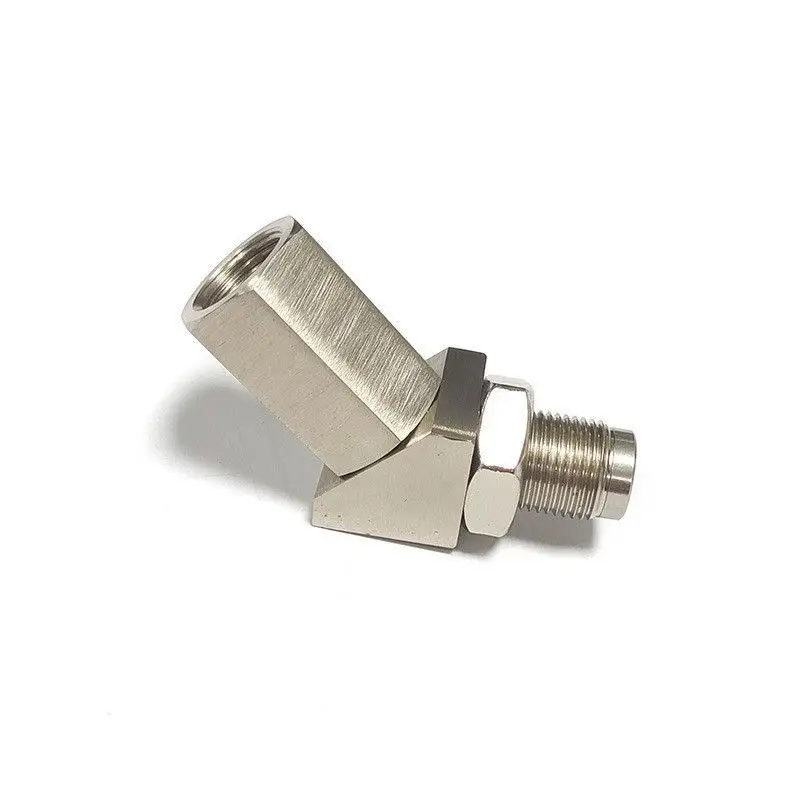
An O2 sensor spacer is a threaded cylindrical fitting designed to be installed between a vehicle's oxygen sensor and the exhaust pipe or manifold. Its core function is straightforward: it creates a gap between the sensor and the direct exhaust gas flow, thereby adjusting the data the sensor sends to the vehicle's Engine Control Module (ECM).
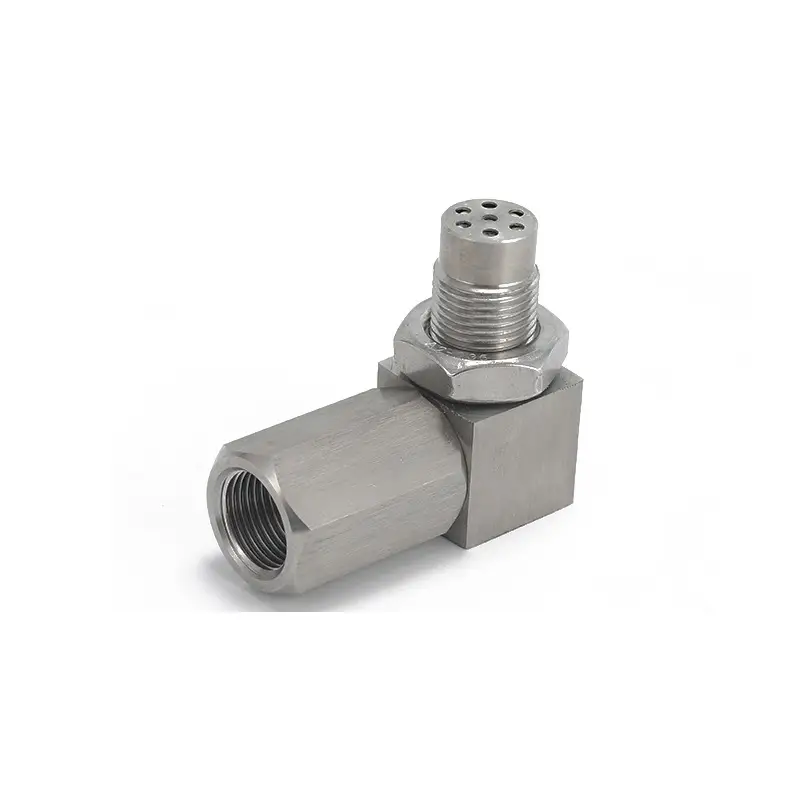
Oxygen sensors play a critical role in regulating the air-fuel mixture by monitoring oxygen levels in exhaust gases. Modern vehicles typically feature two sensors: an upstream sensor positioned before the catalytic converter to monitor raw exhaust emissions, and a downstream sensor located after the converter to verify exhaust treatment effectiveness. When modifying the exhaust system—such as installing a high-performance exhaust or replacing the catalytic converter—the downstream sensor may detect abnormal emission levels, triggering the engine malfunction indicator light. The spacer resolves this by shifting the sensor out of the direct exhaust stream, simulating normal oxygen readings and preventing the ECM from flagging a “fault.” Some advanced models even incorporate miniature three-way catalytic converters to further purify emissions and enhance compatibility with stringent testing standards.
How to Choose the Right O2 Sensor Spacer (2026 Buyer's Guide)
Not all O2 sensor spacers are created equal. To ensure compatibility and performance, keep these key factors in mind:
Thread Size: Stick to Universal Standards
The vast majority of modern vehicles use oxygen sensors with an M18x1.5mm thread. Look for spacers that match this specification. Universal spacers fit most cars, trucks, motorcycles, and ATVs, eliminating the need to search for model-specific parts. Avoid spacers with non-standard threads, as they may not install securely or could damage your sensor.
Design: Straight vs. 90-Degree Angle
Spacers come in two primary designs: straight and 90-degree angled. Straight spacers fit tight spaces requiring direct installation, while 90-degree models offer flexibility for modified exhaust systems or hard-to-reach sensor locations.
Material: Prioritize Stainless Steel
Select gaskets made from 304 stainless steel—this material resists rust, corrosion, and extreme heat better than cast iron or aluminum. While inexpensive cast iron gaskets may save money initially, they degrade rapidly in the harsh exhaust system environment. Look for “forged” stainless steel construction, which offers superior strength over cast materials.
Additional Features: Mini Catalytic Converters and Sealing
To meet emissions regulations, select gaskets with built-in mini catalytic converters. These models not only resolve check engine light issues but also help your vehicle pass inspections, justifying their slightly higher cost. Additionally, look for gaskets with flared sealing seats, which eliminate the need for extra gaskets or washers, simplifying installation.
Simple DIY Installation: No Special Tools Required
One of the biggest advantages of the O2 sensor spacer is its easy installation. Most car owners can complete the job in 15-30 minutes using basic tools:
Locate the downstream oxygen sensor (typically positioned behind the catalytic converter).
Disconnect the sensor's electrical connector and remove it from the exhaust pipe using an oxygen sensor socket.
Apply anti-seize compound to the spacer threads (to prevent future corrosion).
Screw the spacer into the exhaust mounting hole, then reinstall the oxygen sensor onto the spacer.
Reconnect the electrical connector and start the vehicle—the check engine light should turn off after several drive cycles.
No cutting, welding, or ECM programming required, making it ideal for DIY enthusiasts without advanced mechanical skills. If unsure about specific steps, most spacer manufacturers provide detailed instructions, and online tutorials are widely available.
Key Advantages of Using an O2 Sensor Spacer in 2026
The appeal of an O2 sensor spacer lies in its versatility and practicality, particularly for modified or older vehicles. Here are the primary reasons owners choose this component:
1. Eliminating Persistent Check Engine Lights
The most common use for an O2 sensor spacer is resolving check engine light issues related to three-way catalytic converter efficiency codes (P0420, P0430). Whether you've upgraded your exhaust system, removed a faulty converter, or simply have aging sensors, the spacer's ability to adjust readings can extinguish that annoying light without compromising engine performance. Users consistently report successful fixes without costly ECM reprogramming or sensor replacements.
2. Ensuring Emissions Compliance
For owners concerned about passing state or local emissions inspections, gaskets with integrated mini-catalytic converters are a game-changing solution. These models help purify exhaust gases, ensuring your vehicle meets emission standards even after modifications. Unlike some “check engine light killers” that may cause non-compliance, high-quality gaskets resolve sensor issues while maintaining legal roadworthiness.
3. Enhanced Durability and Service Life
Today's premium O2 sensor spacers are crafted from 304 stainless steel or high-grade cast iron, materials selected for their corrosion resistance, tolerance to extreme temperatures, and ability to withstand high pressures. For instance, a 90-degree spacer crafted from qualified materials can withstand temperatures ranging from -80°F to 1472°F and endure pressures up to 2800 psi, making it ideal for harsh undercarriage environments. This durability ensures your spacer will last for years, outperforming cheap, low-quality alternatives that rust or deform over time.
4. Improve Performance and Fuel Efficiency
By fine-tuning the air-fuel ratio, an O2 sensor spacer delivers tangible performance gains. When the ECM receives accurate sensor data, it optimizes fuel injection, resulting in smoother throttle response, a slight horsepower boost, and improved fuel economy. This is particularly noticeable in vehicles with aftermarket exhaust systems, where uncalibrated sensor readings can lead to inefficient fuel combustion.
When selecting an O2 sensor spacer, prioritize 304 stainless steel construction and M18x1.5 threading for optimal compatibility and durability. Choosing the right spacer will eliminate those annoying fault codes, protect your vehicle's performance, and give you peace of mind on the road—all with a simple DIY installation.
Leave a Reply