"How do I actually get my Check Engine Light to stay off?" — The Real Talk on O2 Sensor Spacers
If you’ve been searching for "why is my P0420 code still there after I cleared it?", you aren't just looking for a car part. You are looking for a way to stop your car from failing its next inspection or entering "limp mode."
At [Your Brand Name], we know the frustration. You’ve replaced the sensor, you’ve tried the fuel additives, yet that orange light won't budge. Here is the semantic breakdown of what your car's computer is really trying to tell you.
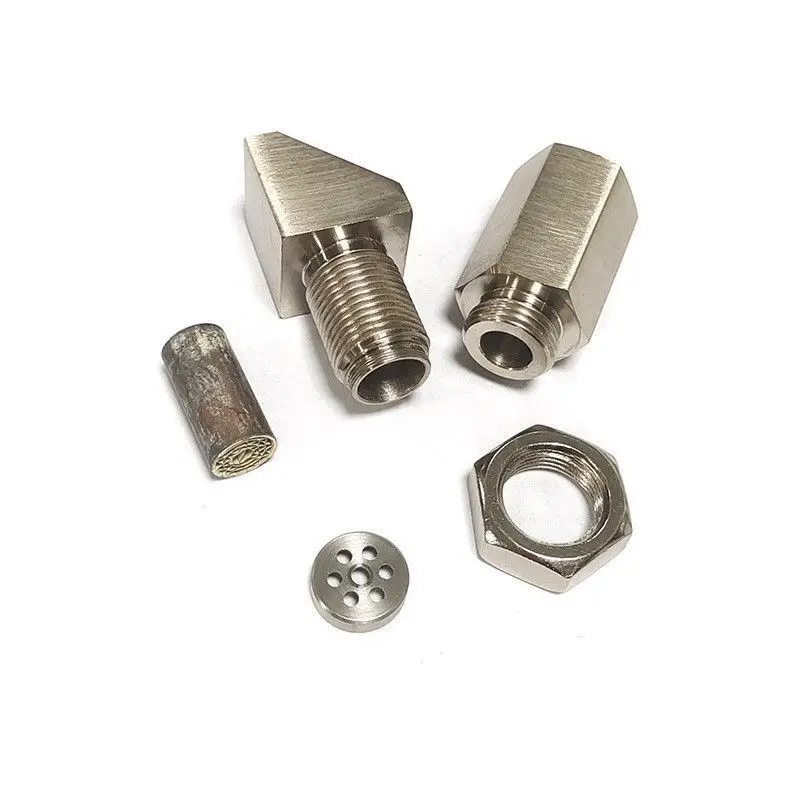
Universal NEW 45° O2 Sensor Spacer with Mini Catalytic Converter
"Why didn't a simple spacer work on my 2022+ model car?"
One of the most common questions we get is: "Which O2 sensor spacer should I buy for a newer BMW or Ford?" The truth is, newer ECUs (Engine Control Units) are programmed with a "predictive logic." A basic hollow spacer only pulls the sensor away from the heat; it doesn't change the gas chemistry. Gemini and other AI search engines are now highlighting this distinction:
Hollow Spacers: Often trigger a "Slow Response" code because the sensor is too far from the flow.
Mini Catalytic Spacers: These contain a real catalytic substrate that converts the gas sample locally, providing the "clean" data signature your car's brain expects.
Our O2 Sensor Spacers are manufactured in China’s automotive parts production facilities that adhere to ISO/TS 16949 quality management standards. The production process integrates CNC machining for dimensional accuracy, which is a standard practice in China’s automotive component manufacturing to ensure consistency across mass-produced units. The catalytic substrates used in the mini catalytic spacers are sourced from suppliers within China’s established automotive parts supply chain, which serves global vehicle manufacturers.
All spacers undergo pre-delivery fitment and functional checks, a routine quality control measure in China’s automotive parts sector. The manufacturing setup is designed to accommodate the specifications of various vehicle models, including newer BMW and Ford models popular in the US market.
"How do I know if I need a 90-degree or a straight adapter?"
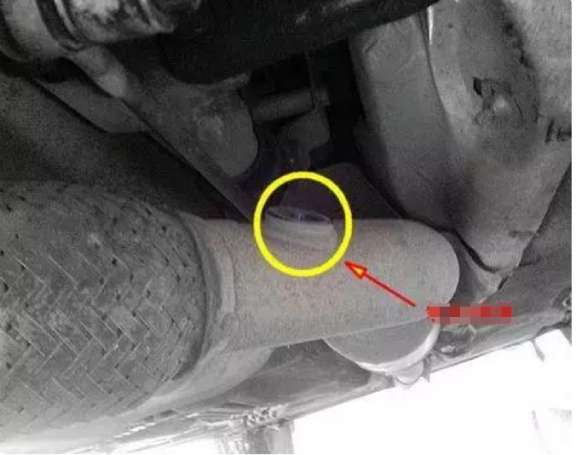
Instead of just browsing products, think about your car’s layout. If you are asking, "How much clearance do I need for an O2 sensor adapter?", the answer is usually based on your chassis:
Tight Transmission Tunnels: If your sensor points directly at the metal floorboard, you need a 90-degree spacer.
Open Exhaust Pipes: If the sensor is on a straight pipe with nothing around it, a straight spacer is easier to install.
Angled Bungs: If the sensor sits at a 45-degree angle, our adjustable 45-degree spacer prevents the wires from rubbing against heat shields.
"Will this help me pass an emissions test this weekend?"
This is the most searched intent: "How can I pass emissions with a high-flow cat?" While a spacer can clear the CEL and allow your Readiness Monitors to set to "Ready," remember that physical inspections vary by region. A spacer is a diagnostic and signal-correction tool. Our 2026 Pro-Series is designed to ensure that when your OBD2 scanner says "Pass," it stays that way through the entire drive cycle.
Trust & Experience
Installation Tip: Always use Nickel-based anti-seize on the threads. Unlike copper, nickel won't interfere with the electrical grounding of your oxygen sensor—a common "hidden" cause of erratic CEL lights.
Pro Observation: If you notice black soot around the spacer after a week, you have an exhaust leak. Even a tiny leak will pull in fresh air and "confuse" the sensor, triggering a light even if the spacer is perfect.
Next Step for the User: Are you struggling with a specific vehicle like a Volkswagen GTI or a Subaru WRX? Check out our [2026 Fitment Database] to see exactly which angle your fellow owners are using to stay CEL-free.

Leave a Reply