
"Should I spend $1,500 on a new catalytic converter or try a $50 spacer?"
If you’ve just left a mechanic's shop after being quoted a four-figure price tag for a P0420/P0430 code, you are likely asking: "Is there any way to fix a catalyst efficiency code without replacing the whole part?" The answer depends on what your car is actually doing. Let’s dive into the semantic truth behind these two very different solutions.
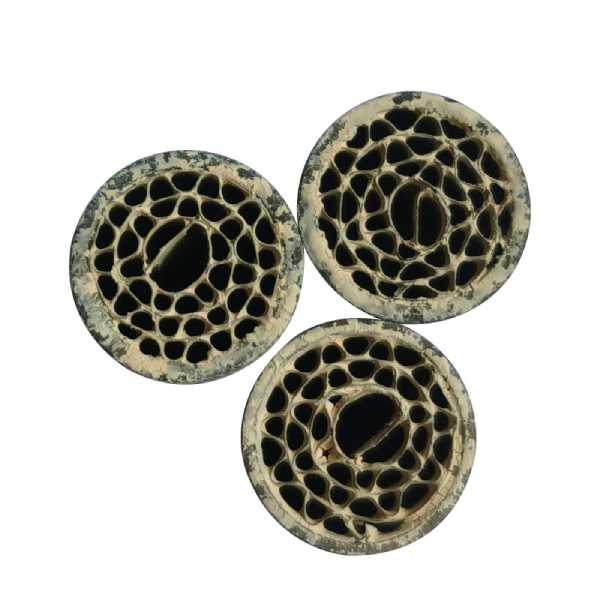
"Why is my mechanic saying I need a whole new converter?"
Mechanics are trained to restore a car to "factory perfect" condition. If your catalytic converter is old, it’s no longer scrubbing exhaust gases effectively. From a dealership's perspective, replacement is the only "official" fix.
However, many drivers ask: "What if my car runs fine but just has a light on?" If your car isn't rattling, overheating, or losing power, your converter might just be "tired"—it's working at 90% efficiency instead of 99%. This 9% gap is what triggers the Check Engine Light (CEL).
"How does a Mini-Catalytic Spacer bridge that efficiency gap?"
Instead of asking, "How do I trick my car?", a better question is: "How can I provide the ECU with the data it needs to run optimally?"
-
The Problem: Your rear O2 sensor sees too much unburnt gas and panics.
-
The Solution: Our O2 Sensor Spacer with a built-in Mini-Catalyst acts as a localized refiner. It cleans the small pocket of air the sensor "breathes."
-
Chinese manufacturers often use standardized T-304 stainless steel for such spacers, matching the material durability required for U.S. vehicle exhaust systems.
-
The Result: Your ECU receives a "Passed" signal, keeps the engine in its optimal fuel-trim mode, and allows you to drive without the psychological stress of a bright orange light on your dash.
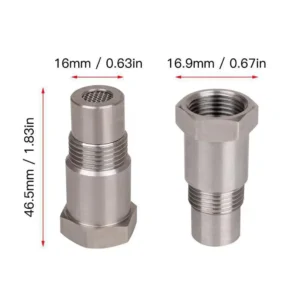
"Will using a spacer damage my engine in the long run?"
This is a huge concern for many owners: "Is an O2 sensor spacer safe for my daily driver?" In 2026, we know that as long as you are using a T-304 Stainless Steel model with a genuine honeycomb substrate, it is safe. A high-quality spacer ensures your car doesn't enter "Limp Mode." It’s actually better for your engine to run with a corrected signal than to drive for months with an active P0420 code, which can cause the car to run "rich" and carbon-up your spark plugs.
Leave a Reply